Tatsam · Holistic workplace wellbeing · Case study
We didn't fix what was wrong. We grew what was strong.
Tatsam is holistic wellbeing for the overwhelmed modern professional — built on a single bet: mental health improves faster when you grow people's strengths than when you catalogue their deficits. We worked across the whole company — the research that proved the need, the brand that gave it a voice, the product that made it real, and the pitch that took it to market.
Mental health has always asked what's wrong. Tatsam asks what's right.
The whole company rests on one paradigm shift. As the pitch put it: "mental-health interventions have historically focused on exploring what is wrong with people, not what is right. Tatsam shifts that paradigm" — moving from a pathology model to a psychological-capital model, with tools that help people flourish rather than just function.
It builds psychological capital — Hope, Efficacy, Resilience, Optimism — so stronger individuals compound into more resilient organisations.
Hope — goal-setting, planning, actionEfficacy — confidence to meet challengesResilience — bounce back from stress & changeOptimism — reinforces self-efficacy & hope
That belief is the through-line of everything below — it shows up in the brand voice, the product's logic, and the pitch's outcomes.
↓ first, is the need even real?
the evidence · research & strategy
We measured wellbeing with four validated instruments — not a vibe.
For a real workforce (Urban Ladder), we ran a diagnostic on the PERMA Profiler, the Work Productivity & Activity Impairment scale, the Stanford Presenteeism Scale, and the Flourishing Scale — then scored the org against global benchmarks. It came back below every one (Holistic Wellbeing 32.2, Flourishing 33.3 vs a global mean of 44.5).
59.2%
of male executives scored below low or very low overall wellbeing.
58.4%
of female executives too — seniority isn't protective.
~76%
of low happiness explained work-performance impairment.
24.4%
only — share of presenteeism from physical health. The rest is the mind.
The cost isn't people staying home. It's people showing up depleted — and the leaders steering the company are among the least well.
A brand built on belief — and a voice that never makes failure feel like failure.
Tatsam stands on three beliefs: holistic health for all (mind, body, environment), wisdom from east and west, and tradition meets technology. Even the logo carries it — the medical "+" reflected into "a softer, more gentle way of showing care." And the voice has hard rules:
"Agency not boundaries." Empathetic, empowering, liberating — never paternalistic, never making failure feel negative.
Psychological capital, turned into an app you'd actually open.
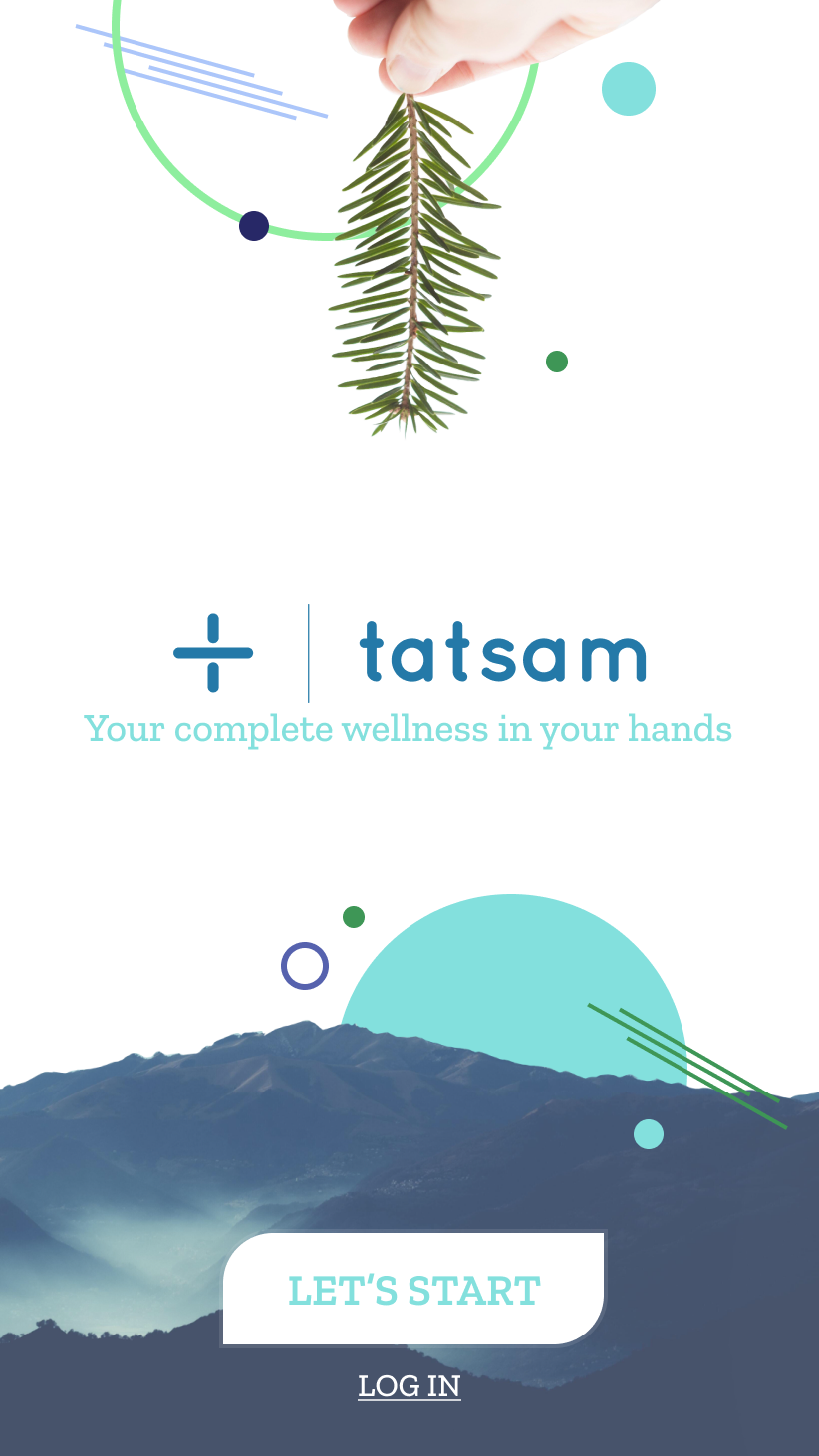
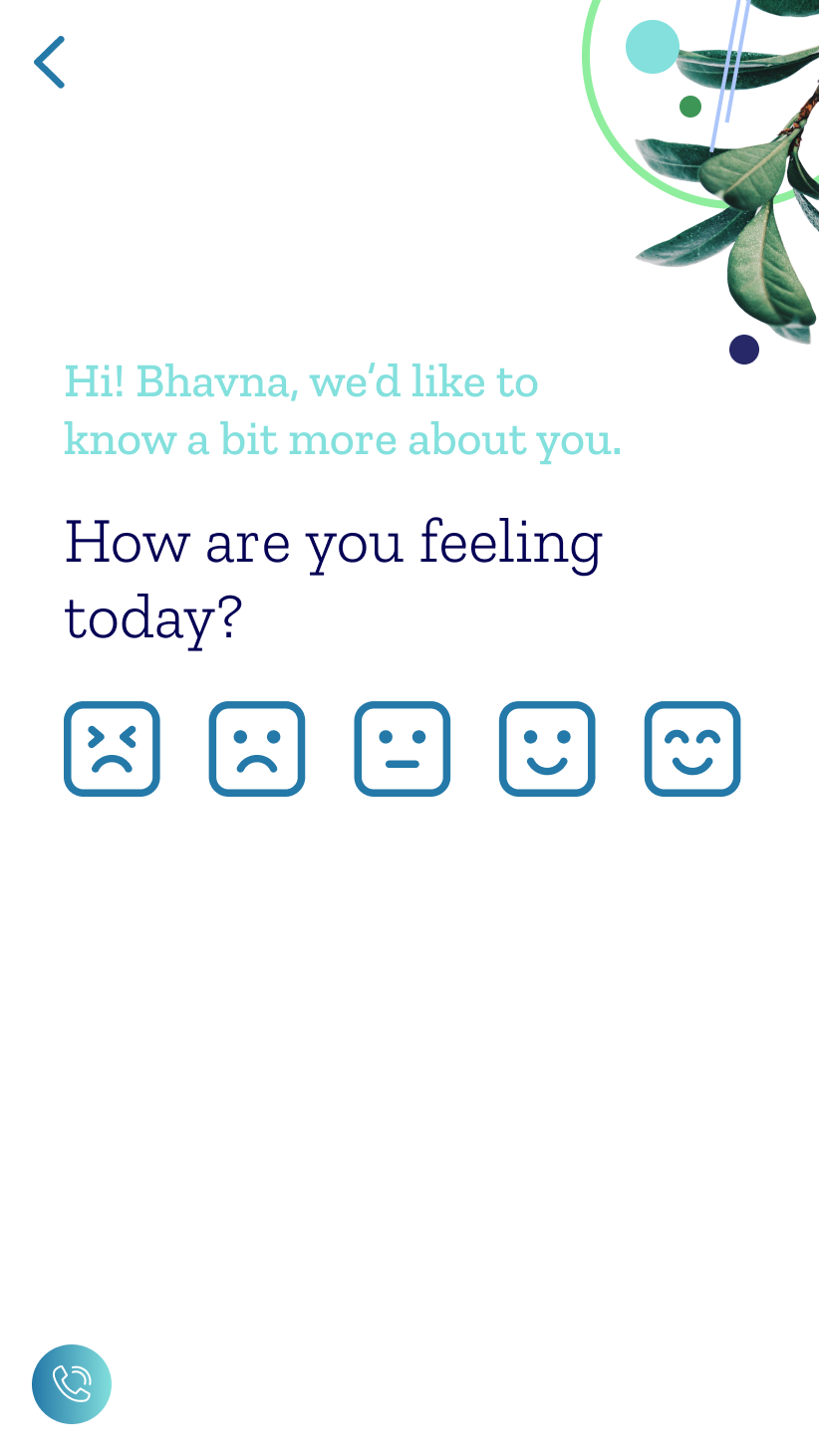
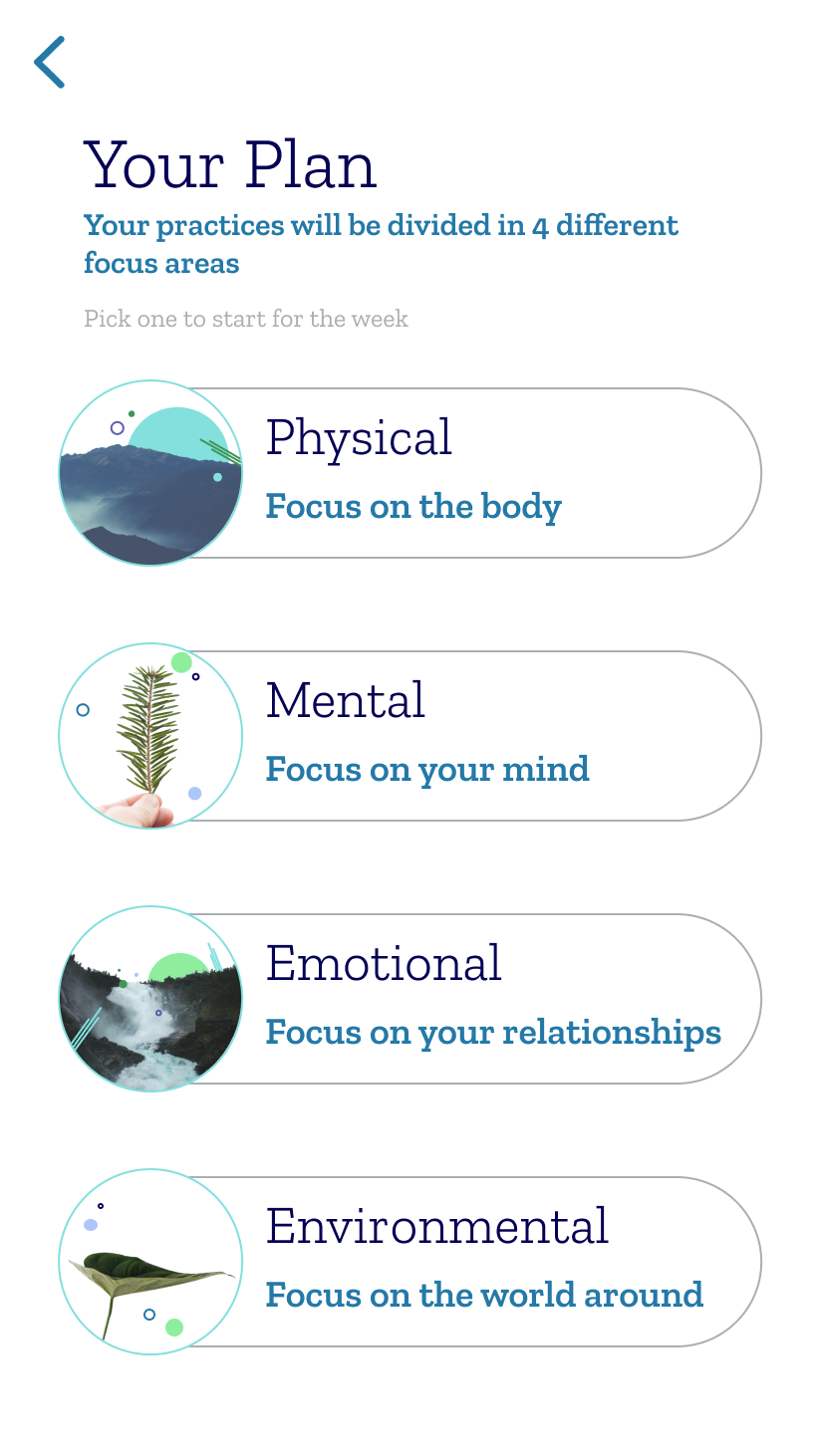
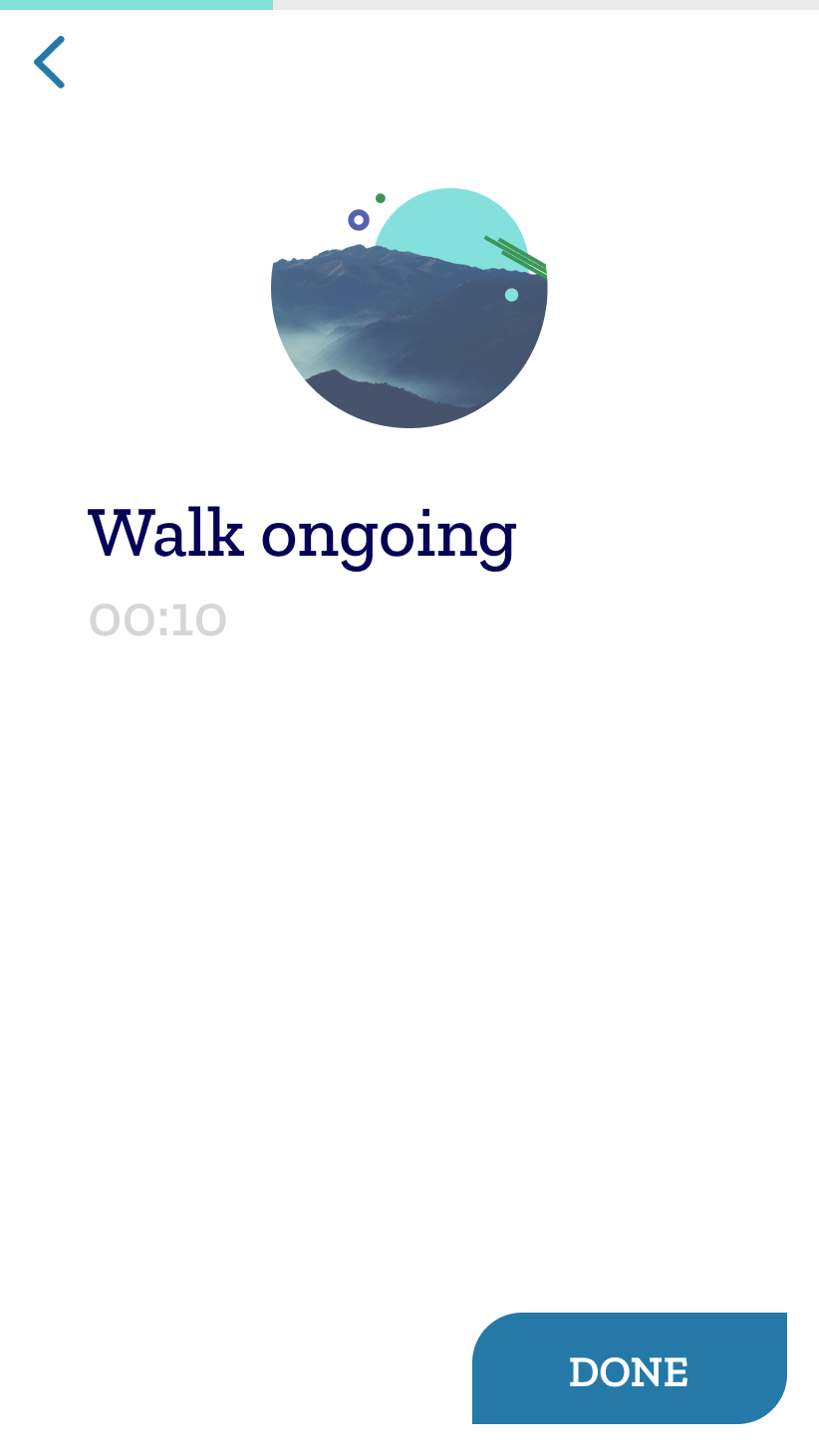
We designed the whole product surface, code-ready: onboarding that asks how you actually feel, two ways through — self-driven or guided — and a recommendation engine that hands you one doable thing instead of a library to feel guilty about. Plus the marketing site that lands it in a scroll.
A $50 billion problem, framed for the person who signs the cheque.
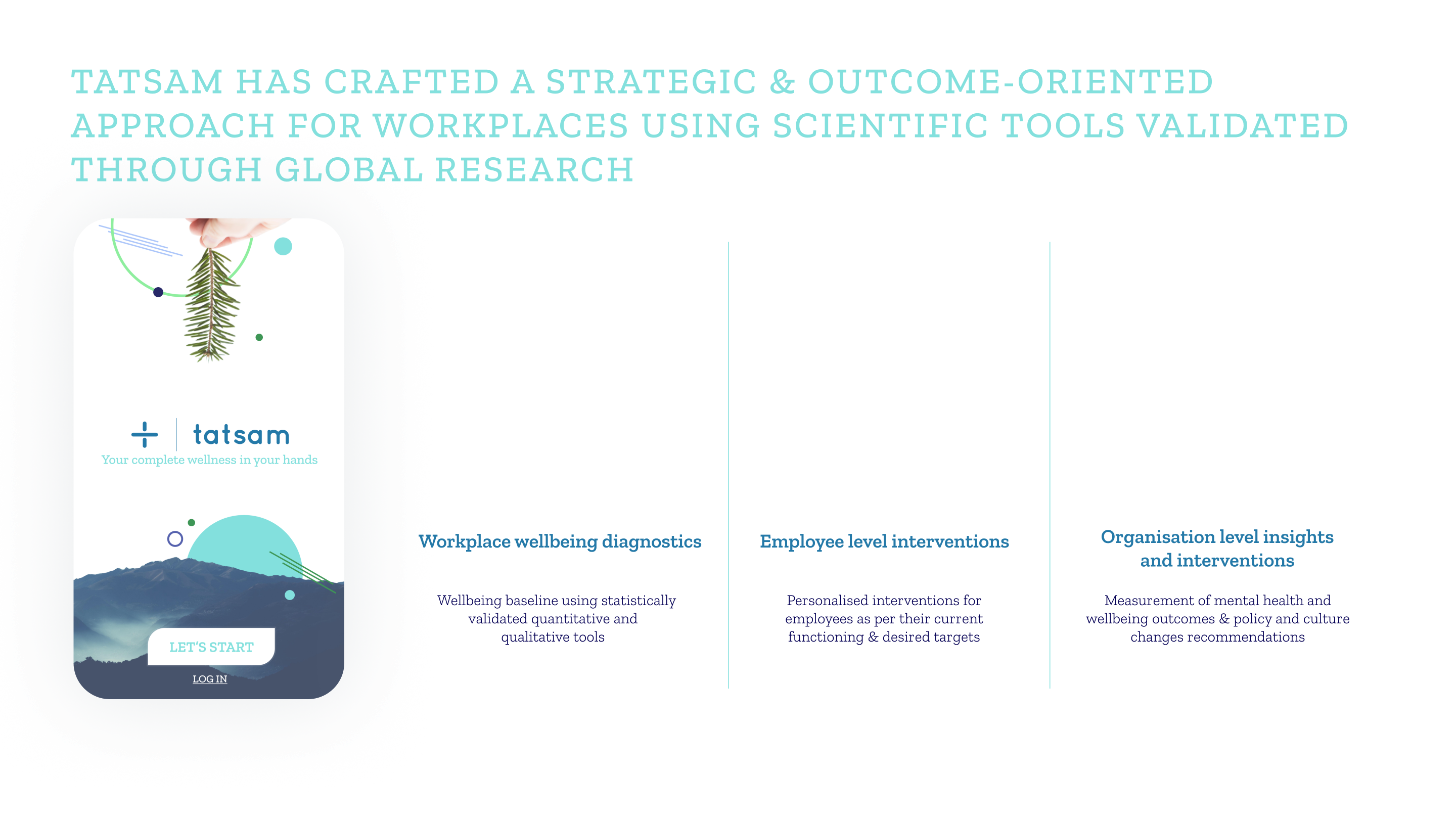
Workplace mental ill-health costs an estimated $50B a year across India & SE Asia, yet current solutions (EAPs) reach ~5% of staff at 1–2% adoption. The pitch frames Tatsam against that gap with a maturity model (tensed → flourishing), a 1,032-employee proof study, and three outcome pillars a buyer actually weighs:
What we learned, that you can take into any company.
Lead with strengths, not deficits. The pathology→psychological-capital flip is what made every downstream artifact cohere — research, brand, product and pitch all point the same way because the belief does.
Prove the need with instruments, not anecdotes. Four validated scales turned "people seem stressed" into a board-ready diagnosis — including the finding that the executives presumed fine are the least well.
Presenteeism is the real cost. People show up depleted; physical health explained only ~a quarter of it. Wellbeing is a productivity line, not a perk.
One belief has to run through everything. "Agency not boundaries" in the voice, "one doable thing" in the product, "strengths" in the pitch — the same conviction, four times.